
Specifying high-performance Stainless Steel 304 Entrance Mats is a critical decision for architects and facility managers aiming to protect a building’s interior while maintaining a prestigious aesthetic. In any high-traffic commercial or hospitality venue, the entrance serves as the primary barrier against the external environment. It is here that the building must defend itself against moisture, abrasive sand, and microscopic debris that can quickly degrade interior floor finishes. Grade 304 stainless steel has emerged as the industry’s gold standard for this task, offering a unique combination of structural rigidity, corrosion resistance, and timeless visual appeal. By integrating these systems into a facility’s design, stakeholders invest in a long-term solution that significantly reduces maintenance costs and enhances occupant safety.
1. The Material Science of Grade 304
Understanding why this specific alloy is chosen requires a look at its chemical composition and its reaction to demanding environmental stressors.
A. Corrosion Resistance and Environmental Durability
Grade 304 stainless steel is an austenitic alloy containing high levels of chromium and nickel. This composition allows it to form a passive layer of chromium oxide on its surface, which protects the metal from oxidation and corrosion. In the context of Stainless Steel 304 Entrance Mats, this is essential for installations in semi-outdoor areas or regions with high humidity. Unlike aluminum or lower-grade steel, Grade 304 will not pit or rust when exposed to rain, salt air, or the harsh cleaning chemicals often used in commercial janitorial protocols.
B. Superior Wear Resistance in High-Traffic Zones
Commercial entrances in hotels and malls handle thousands of footsteps daily. The mechanical strength of stainless steel ensures that the grid structure of the mat remains dimensionally stable under heavy pedestrian loads. It does not warp or bend over time, which is crucial for preventing trip hazards. Furthermore, the material is highly resistant to the abrasive “sandpaper effect” caused by desert sand and grit, ensuring the satin or brushed finish remains attractive for years.
2. Functional Engineering: Dirt and Moisture Management
A mat’s primary job is filtration. The engineering behind a stainless steel grid is far more effective than traditional textile or rubber mats.
C. The Open-Grid Filtration System
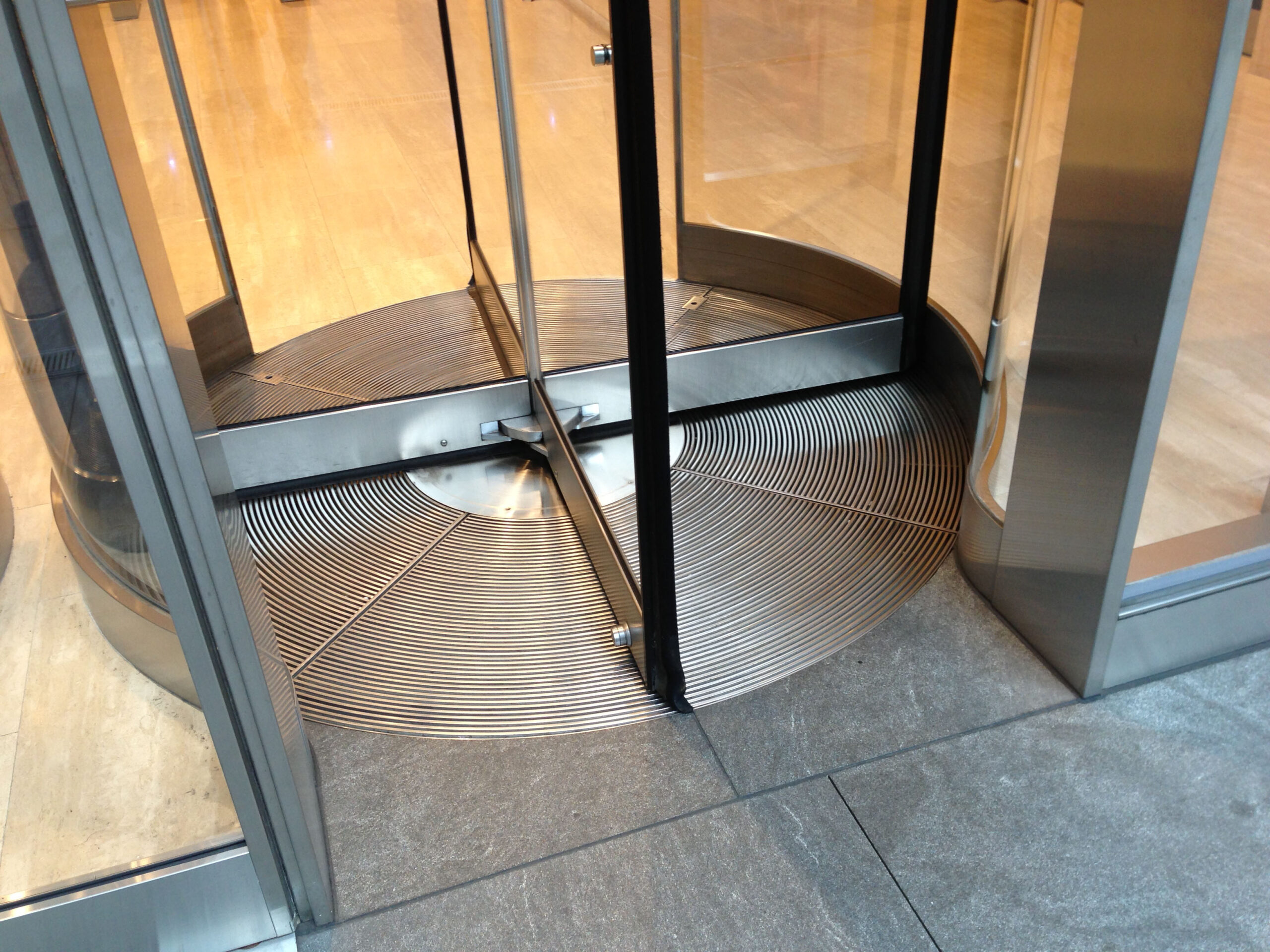
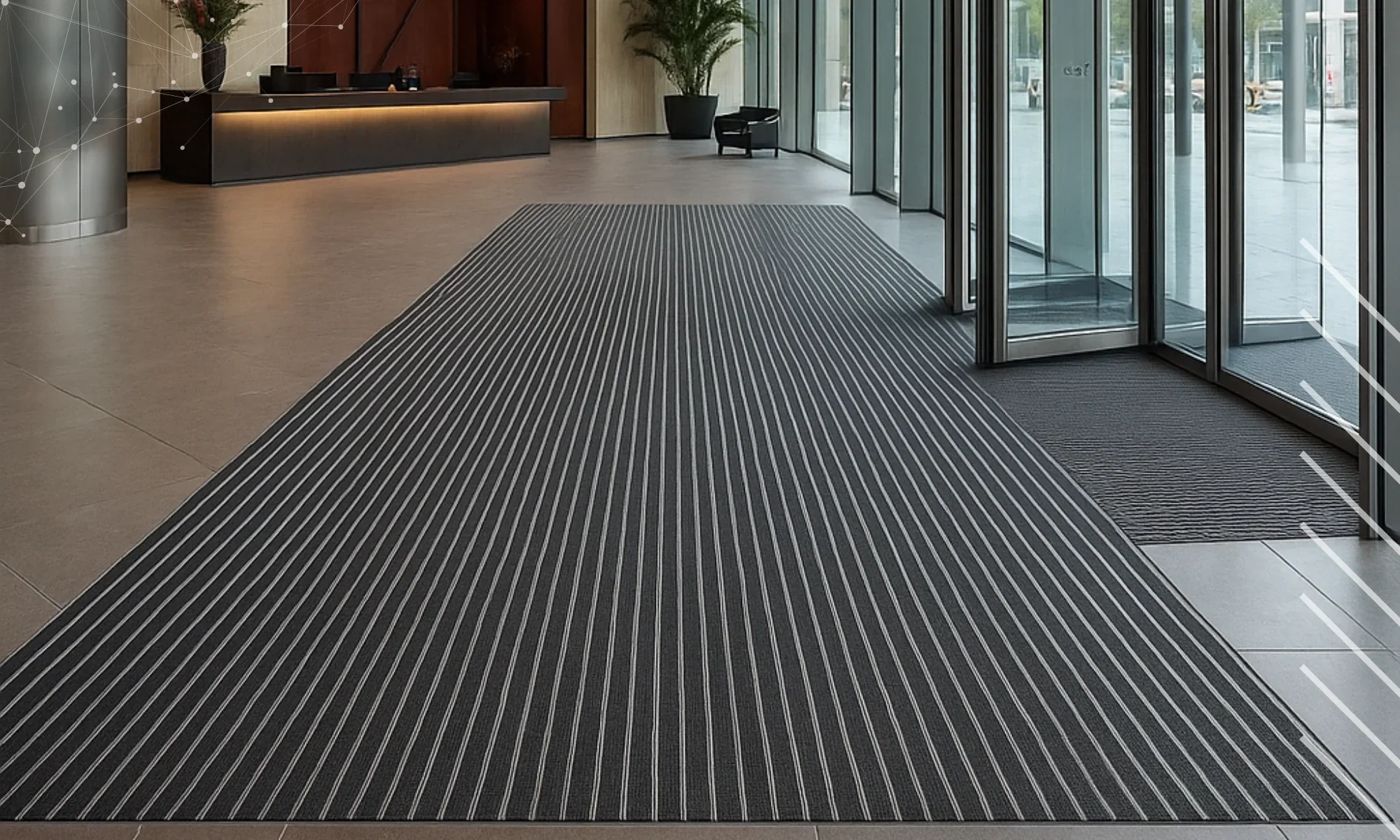
The architectural design of these mats typically features an open-grid or “well” structure. This allows sand, moisture, and dirt to fall through the surface and into a collection tray located beneath the mat. By separating the debris from the walking surface, the system prevents the “tracking” of dirt further into the building. This keeps the lobby’s primary flooring—whether it be marble, vinyl, or carpet—pristine for longer periods, effectively acting as a sacrificial barrier that extends the life of the entire interior floor.
D. Safety and Slip Resistance
Wet entrances are a major liability for building owners. Stainless Steel 304 Entrance Mats are designed with slip-resistant textures or inserts that provide high traction even when saturated with water. The ability of the grid to instantly drain moisture away from the surface reduces the risk of hydroplaning and slip-and-fall accidents, ensuring that the facility meets the highest international safety standards for public access.
3. Customization and Architectural Integration
For prestige buildings, functionality must be matched by a design that complements the surrounding luxury finishes.
E. Custom Fabrication and Precision Fit
Every entrance is unique, and a “total solution” approach requires custom fabrication to match specific architectural layouts. Stainless steel can be laser-cut to fit revolving doors, irregular alcoves, or expansive multi-door vestibules. This precision ensures a flush finish with the surrounding floor, eliminating uneven edges and creating a seamless transition from the exterior to the interior.
F. Maintenance Efficiency and Hygiene
Unlike textile mats that trap bacteria and odors within their fibers, stainless steel is a non-porous and hygienic material. It does not harbor mold or allergens. Maintenance is simplified through the use of removable sections or hinged grids, allowing cleaning crews to easily access the dirt collection pit below. This operational efficiency is particularly valuable in healthcare and hospitality sectors where cleanliness is a non-negotiable metric of success.
while the initial investment in Stainless Steel 304 Entrance Mats may be higher than temporary solutions, the lifecycle value is unparalleled. By combining industrial-grade durability with a refined architectural finish, these systems serve as the ultimate frontline defense, ensuring that the building’s first impression is always one of cleanliness, safety, and uncompromising quality.
References & Links
- ASTM A240: Standard specification for Chromium and Chromium-Nickel stainless steel plate, sheet, and strip.
- ISO 9001:2015: Quality management systems for manufacturing and fabrication of architectural metalwork.
- Saudi Arabian Standards Organization (SASO): National guidelines for building materials and public safety.