
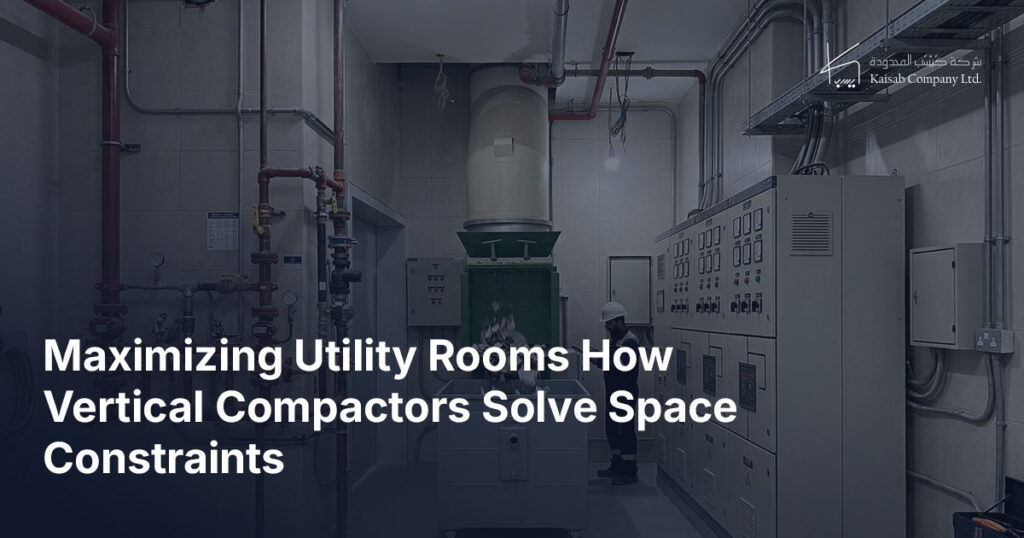
Urban developments and mid-rise buildings often operate under strict spatial limitations. When designing service areas, every square meter counts. Traditionally, large waste management equipment required expansive bin rooms, forcing architects to sacrifice valuable floor space. However, the introduction of the Vertical Waste Compactor has transformed how modern buildings handle refuse without compromising on efficiency.
This guide explores how vertical compaction technology optimizes utility areas while maintaining high-performance waste reduction.
1. The Challenges of Limited Service Space
Service and utility rooms are frequently the most cramped areas in commercial and residential buildings. Standard horizontal compactors require significant floor area for both the machine and the container. For projects with tight footprints, this often leads to overflowing bins and unorganized waste rooms.
The Vertical Advantage:
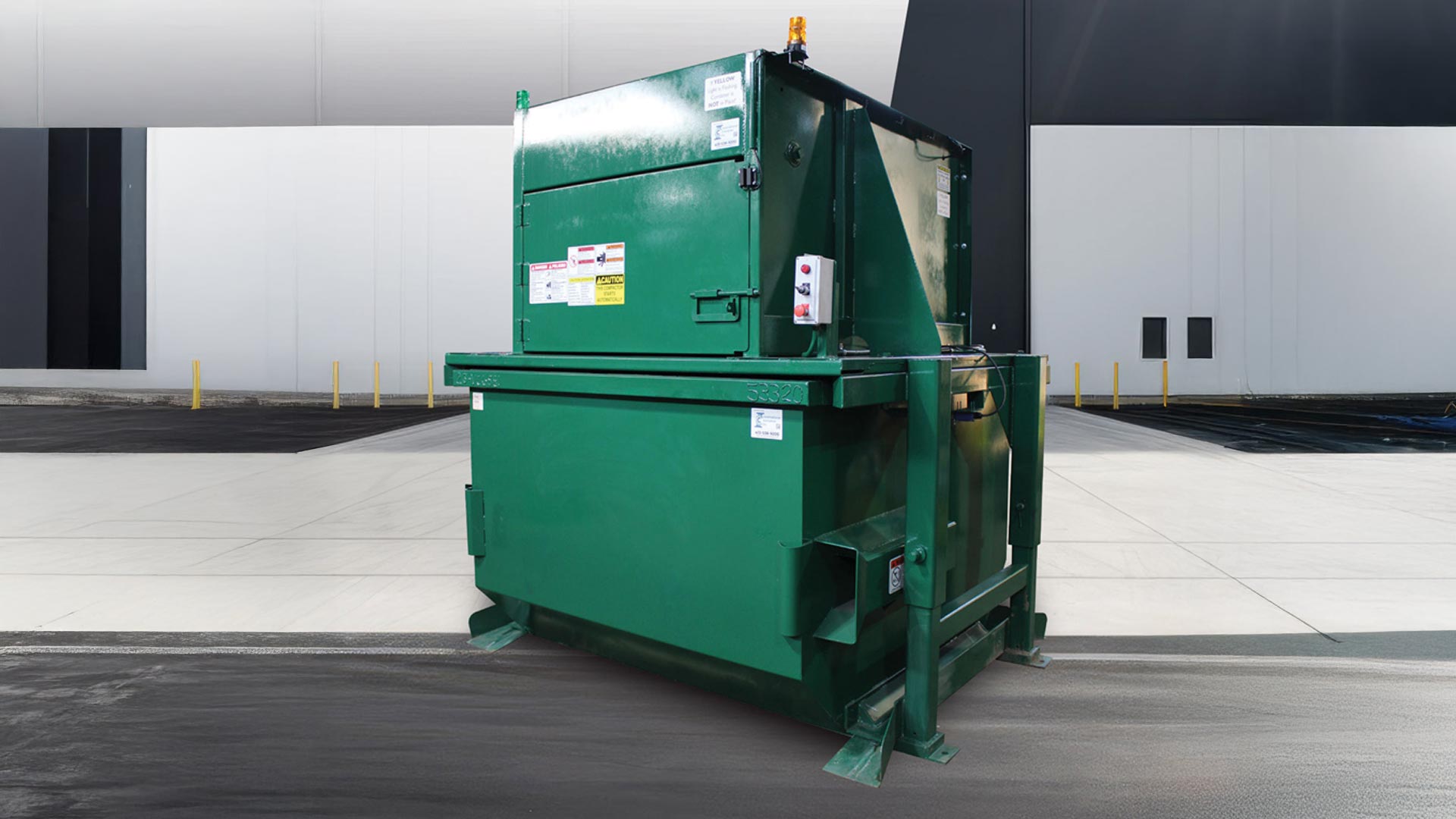
A Vertical Waste Compactor is engineered with a “height-over-width” philosophy. By utilizing vertical space rather than floor area, these units deliver high-pressure compaction within a fraction of the footprint required by traditional machines. This allows developers to allocate more space to other essential services or parking.
2. Seamless Integration with Chute Systems
Efficiency in waste management is about flow. A professional Vertical Waste Compactor is designed to sit directly beneath a building’s garbage chute. This creates a closed-loop system where waste travels from the upper floors and is compressed immediately upon arrival.
- Automated Operation: Sensors detect when waste enters the unit, triggering the hydraulic press automatically.
- Clean Environments: Because the waste is compressed directly into the container at the chute’s base, there is no need for manual handling or open-air storage, keeping the utility room hygienic.
3. Reducing Operational Footprint and Costs
Beyond physical space, a Vertical Waste Compactor also reduces the “operational footprint” of a building. Compressed waste takes up significantly less volume—often at a ratio of 4:1 or higher.
Lower Collection Frequency:
By reducing waste volume, the frequency of waste collection trips is drastically lowered. Fewer truck visits mean less congestion in the building’s loading docks and lower monthly service fees. For facility managers, this means a more organized schedule and a significant reduction in labor costs associated with waste management.
4. Durability and Maintenance in Tight Areas
Equipment located in confined utility rooms must be reliable and easy to maintain. High-quality Vertical Waste Compactor units are built with heavy-duty steel and corrosion-resistant finishes to ensure longevity in demanding environments.
- Minimal Moving Parts: The vertical design often simplifies the mechanical process, leading to fewer points of failure.
- Easy Access: Despite their compact size, these units are designed with service access in mind, allowing technicians to perform routine maintenance without needing vast open spaces around the machine.
5. Supporting Urban Sustainability
Sustainability is no longer optional for modern developments. By implementing a Vertical Waste Compactor, buildings contribute to a greener urban environment. Reducing the number of waste collection truck trips directly lowers the carbon emissions associated with the building’s operations. This makes the vertical compactor a practical tool for achieving green building goals while solving immediate logistical problems.
Small Footprint, Big Impact
Implementing a Vertical Waste Compactor is the smartest way to balance space constraints with high-volume waste needs. By choosing vertical technology, building owners can ensure a clean, efficient, and cost-effective service area that meets the demands of modern urban living.
References
- Waste Management World: Compaction Technology for Urban Areas
- ANSI: Safety Requirements for Waste Compaction Equipment