

The efficiency of a masonry or plastering project often hinges on a single logistical challenge: getting freshly mixed material from the mixer to the artisan without losing quality or time. While it may seem like a simple steel container, the mortar skip is a precision tool that can either streamline your workflow or become a bottleneck. Choosing the right one requires a strategic look at volume, material science, and onsite handling capabilities.
Understanding Capacity: Why 330L is the Industry Standard
When selecting a mortar skip, the first variable to consider is capacity. While skips come in various sizes, the 330-liter (330L) model has become a staple in modern construction. But why?
Balancing Load and Logistics
A 330L capacity strikes the “Goldilocks” balance. It is large enough to supply a full team of masons for a significant duration, reducing the number of trips the crane or forklift needs to make. However, it remains compact enough to stay within the Safe Working Load (SWL) limits of standard site machinery. Overloading a crane with a massive skip leads to safety risks, while a skip that is too small leads to “dry spells” at the work face, where laborers sit idle waiting for material.
Material Consistency
Mortar and concrete begin to set the moment they leave the mixer. A high-quality mortar skip allows for a bulk transfer that maintains the internal temperature and moisture level of the mix better than smaller, fragmented loads. This ensures that the consistency of the mortar at the 20th floor is identical to the batch at ground level.
Durability and Material Science: Beyond Basic Steel
A mortar skip faces a brutal environment. It is subjected to the abrasive nature of sand, the corrosive chemical reaction of wet cement, and the physical impact of heavy machinery.
Heavy-Duty Construction and Coatings
When evaluating durability, look for heavy-duty steel construction. The thickness of the steel determines the skip’s resistance to “bowing” under the weight of wet concrete (which is significantly heavier than water). Furthermore, the finish matters. A skip with a durable, anti-corrosive coating prevents rust—which not only destroys the skip but can also contaminate the mortar mix with iron oxide flakes.
Ease of Maintenance
Durability is also linked to how easily a skip can be cleaned. A mortar skip with smooth internal welds and rounded corners prevents material “buildup.” Hardened concrete buildup adds dead weight and reduces capacity over time. Choosing a design that facilitates quick wash-outs ensures the equipment lasts through multiple project lifecycles.
Compatibility and Site Safety Compliance
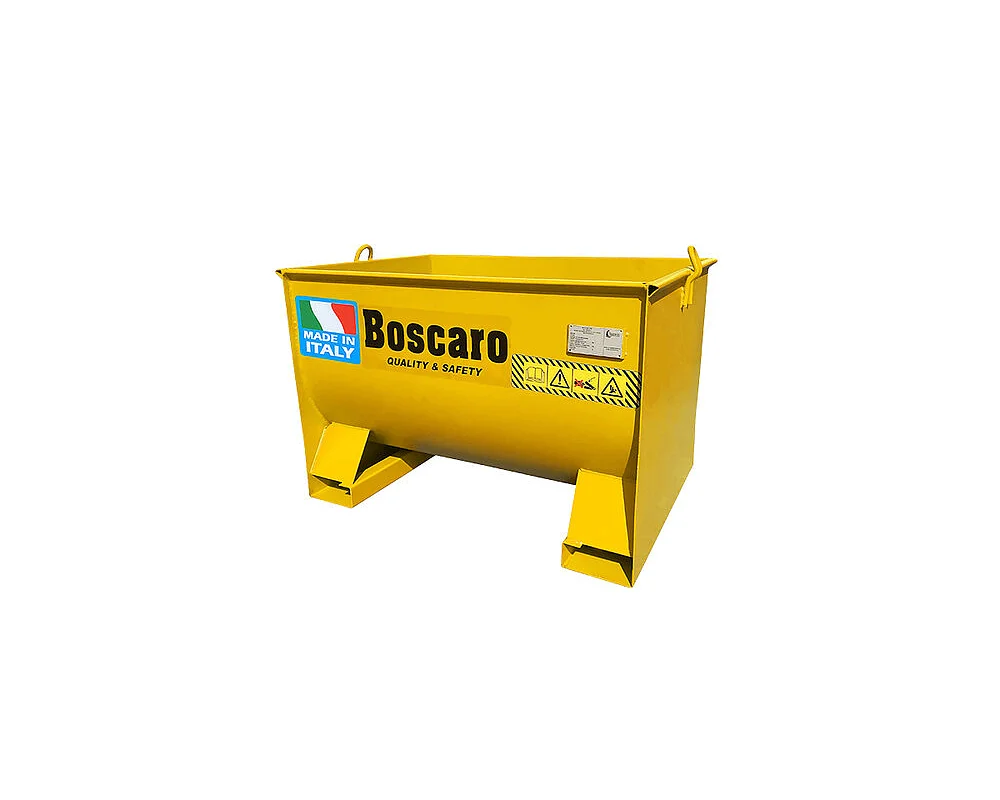
Your choice must align with your site’s existing infrastructure. A professional-grade mortar skip should offer dual-mode compatibility:
- Crane Lifting: Reinforced lifting eyes that meet local safety regulations (such as ISO or ASTM standards).
- Forklift Handling: Integrated fork pockets that allow for stable transport across uneven terrain.
Choosing a skip that integrates both features provides the flexibility needed for dynamic sites where a crane might be occupied, allowing a forklift to take over the distribution duties without switching equipment.
Selecting the right mortar skip isn’t just about buying a bucket; it’s about investing in site flow. By prioritizing a manageable 330L capacity, heavy-duty steel builds, and multi-functional handling features, you reduce waste, protect your workers, and ensure the structural integrity of your masonry work. Before your next pour, evaluate your skip’s condition and specifications—it is the vessel that carries your project’s progress.
Professional References