
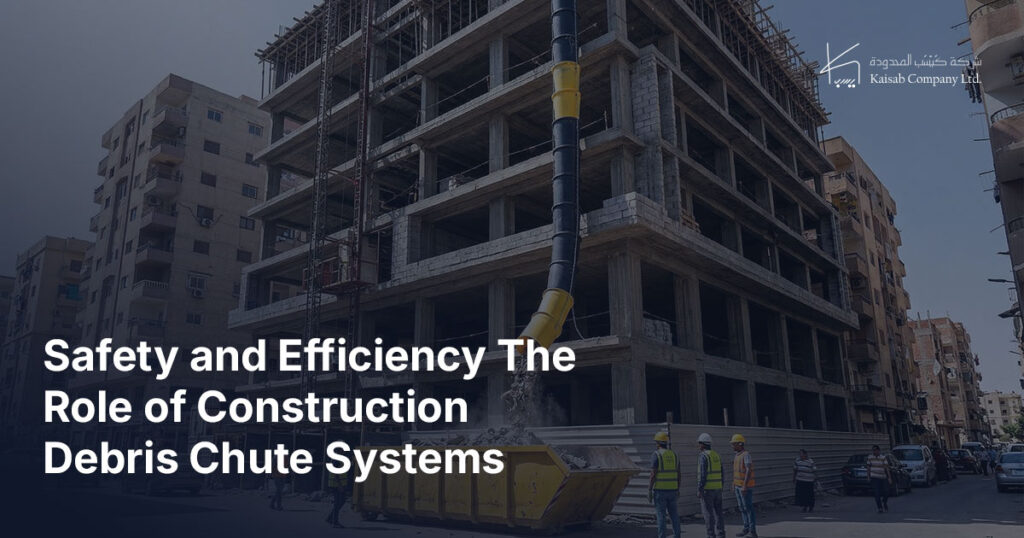
Active construction sites prioritize managing vertical waste disposal as a high-risk operation. Improper handling of rubble, concrete, and tiles doesn’t just slow down a project—it creates significant safety hazards. Construction Debris Chute Systems have emerged as highly engineered safety solutions designed to protect workers and streamline site operations.
This guide outlines the essential safety standards and operational benefits of using professional-grade chute systems in modern construction.
1. Eliminating the Risks of Manual Debris Disposal
Manual transport of heavy waste was once the standard, with workers using service elevators or, more dangerously, tossing rubble from open ledges. These “uncontrolled drops” lead to unpredictable debris scatter and dangerous levels of airborne dust.
The Engineered Solution:
A professional debris chute system creates a controlled, vertical path for waste. By keeping debris contained within heavy-duty modular sections, sites eliminate the risk of falling objects hitting personnel or damaging the building’s façade at ground level.
2. Structural Integrity and Secure Attachment
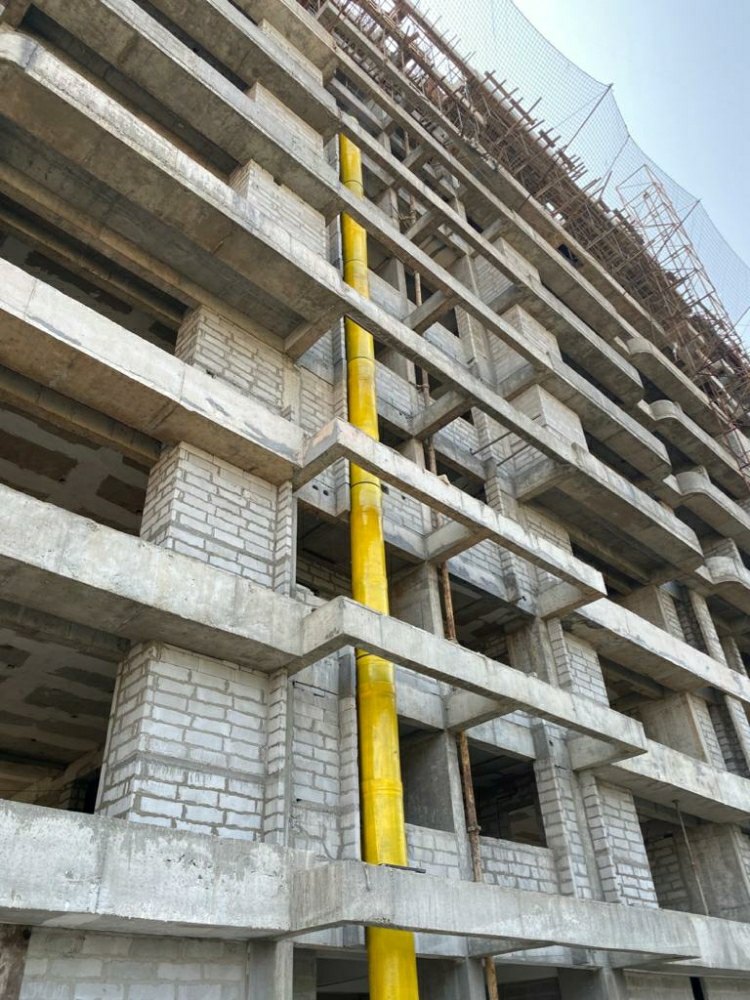
Securing the chute system to the building is one of the most critical safety aspects of the installation. On multi-story projects, the weight of the chute—combined with the impact of falling concrete—creates immense structural stress.
- Modular Flexibility: Modern systems use modular sections that can be extended as the building rises, ensuring a perfect fit for any height.
- Scaffold Compatibility: High-quality systems integrate seamlessly with standard scaffold frameworks, using secure attachment points that ensure the chute remains stable even under heavy loads.
3. Impact Resistance: Handling High-Impact Waste
Broken tiles and concrete chunks generate significant abrasive force and weight. Using low-grade materials for chutes often results in structural failure or “blowouts,” where debris punctures the side of the chute during transit.
Material Standards:
To meet rigorous safety standards, chutes must be manufactured from heavy-duty, high-impact materials. These sections are engineered to withstand the kinetic energy of falling rubble without degradation, ensuring the system remains intact throughout the project lifecycle.
4. Environmental Safety: Dust Containment
Dust represents a silent hazard for construction workers, causing respiratory issues and contaminating the surrounding environment. Uncontrolled debris removal serves as the primary source of airborne site dust.
Containment Features:
Advanced Construction Debris Chute Systems feature specialized dust-containment designs. By sealing the path of the waste from the upper floors to the ground-level collection point, airborne particles are significantly reduced. This supports better housekeeping and ensures compliance with environmental safety regulations.
5. Efficiency Through Rapid Installation
Time remains a critical factor in any fast-paced construction environment. Safety equipment that is difficult to install often leads to risky workarounds that compromise site integrity.
- Rapid Installation and Removal: Modular designs allow for fast deployment and disassembly as project needs change.
- Adaptability: As the building progresses, sections can be added or removed quickly, allowing the waste management system to keep pace with the building’s growth without delaying other trades.
-
A Practical Investment in Site Safety
Implementing a Construction Debris Chute Systems is more than a logistical choice; it is a commitment to site safety and operational excellence. By controlling debris flow, minimizing dust, and ensuring structural stability, these systems protect your most valuable asset: your workforce.
References