
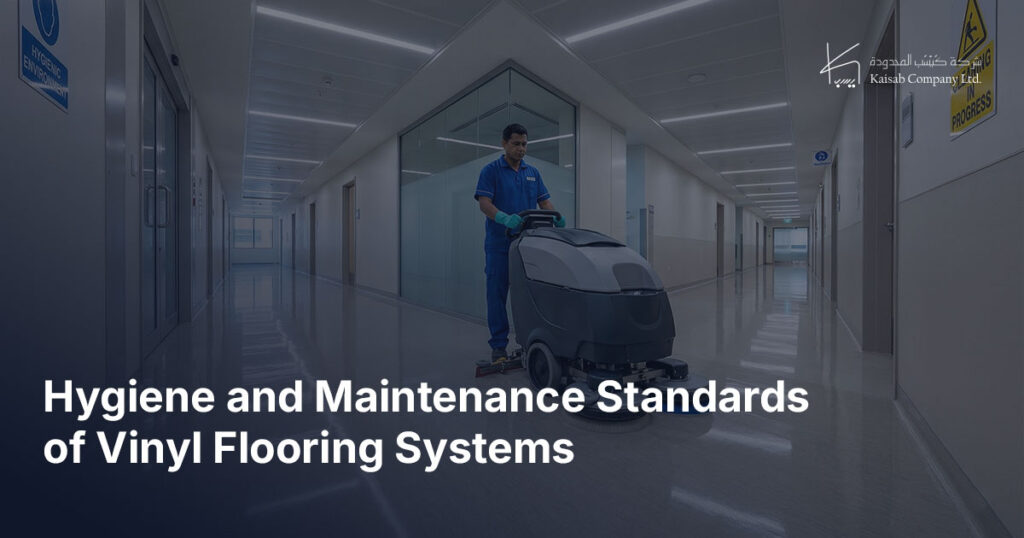
Selecting high-quality Vinyl Flooring Systems is the primary strategy for facilities requiring impeccable hygiene and low-effort maintenance protocols. In environments such as hospitals, diagnostic laboratories, and large-scale educational institutions, the floor is more than a walking surface; it is a critical component of the building’s infection control strategy. Unlike porous materials that can trap pathogens and moisture, modern commercial-grade vinyl is engineered with a dense, non-porous molecular structure. This ensures that contaminants remain on the surface where they can be effectively neutralized, preventing the deep-seated bacterial growth that often plagues older or lower-quality flooring installations. By prioritizing these systems, stakeholders can achieve a perfect balance between aesthetic versatility and the rigorous sanitary standards demanded by modern building codes.
1. The Engineering of a Sterile Surface
The high performance of vinyl in sterile environments is due to specific manufacturing processes that create a monolithic, impervious barrier.
A. Non-Porous Composition and Bacteriostatic Properties
Most premium Vinyl Flooring Systems are manufactured using a high-pressure process that eliminates microscopic voids. This non-porous nature is essential for healthcare facilities because it prevents the absorption of blood, chemicals, and biological fluids. Furthermore, many commercial vinyl products are inherently bacteriostatic. This means that the material itself inhibits the reproduction of microorganisms without relying solely on external chemical coatings. In the context of “High-Performance Architecture,” this ensures that the floor maintains its hygienic integrity even in the event of surface scratches or heavy wear.
B. Seamless Integration through Heat Welding
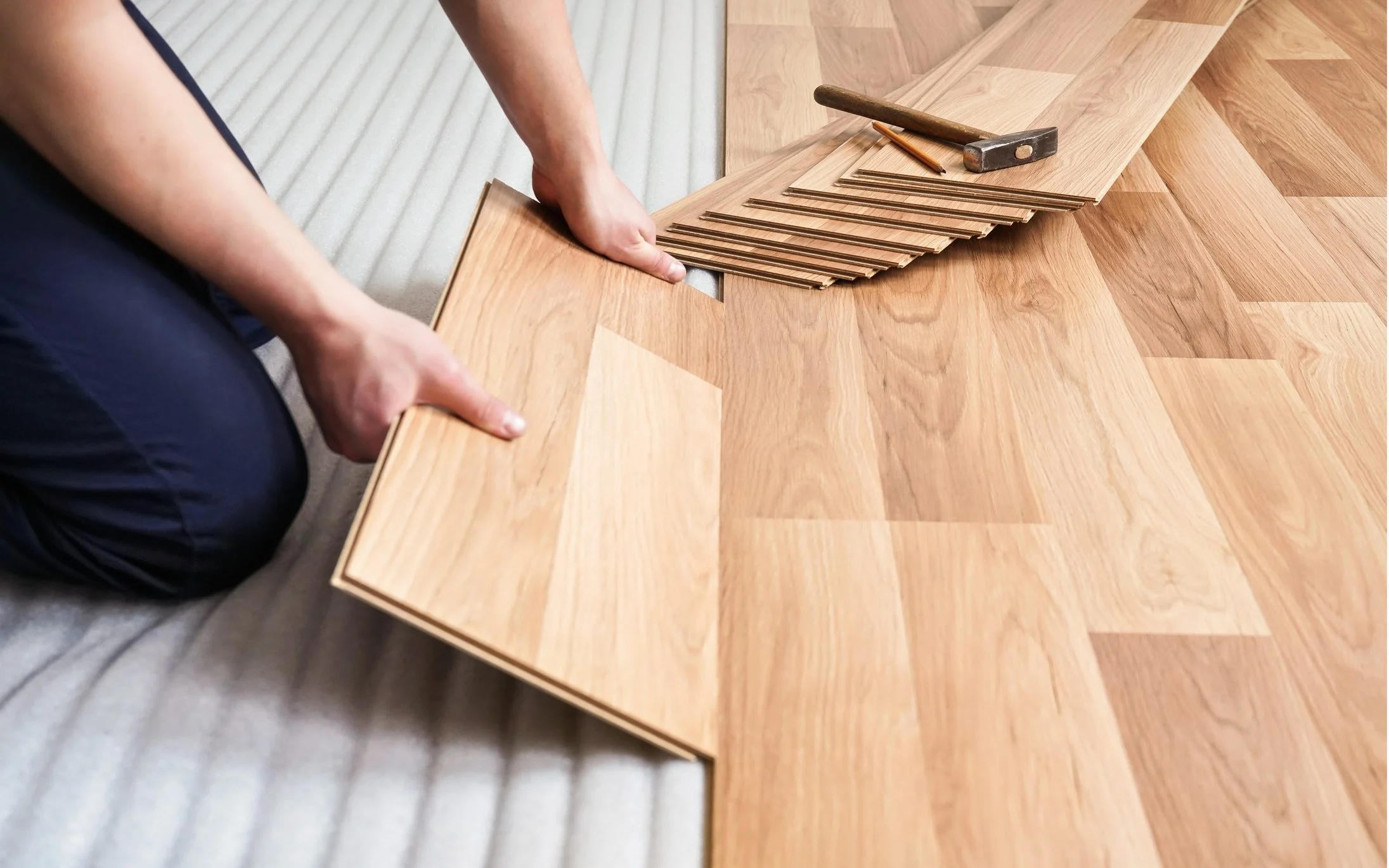
A critical factor in maintaining hygiene is the elimination of seams where dirt and moisture can accumulate. Professional installation of these systems involves heat-welding the joints using matching vinyl rods. This process fuses the individual sheets into a single, continuous surface. When combined with “coved skirting”—where the vinyl continues several inches up the wall—the result is a “bathtub” effect that allows for deep cleaning and prevents liquids from seeping into the wall cavities or subfloor, which is a primary cause of mold and structural decay.
2. Maintenance Efficiency and Operational Savings
Beyond hygiene, the financial viability of a flooring choice is determined by the ease and cost of its long-term upkeep.
C. No-Wax Technology and Surface Protection
Traditional commercial floors often required periodic stripping and waxing to maintain their appearance and protection, a process that is both costly and disruptive. Modern Vinyl Flooring Systems often feature a factory-applied Polyurethane (PUR) reinforcement. This high-performance coating creates a “diamond-hard” shield that resists scuffs, stains, and chemicals. Because the surface is so resilient, it eliminates the need for polish or wax for the entire life of the product. For facility managers, this translates into significantly lower labor costs and less downtime for high-traffic areas like retail malls or airport terminals.
D. Chemical Resistance and Ease of Cleaning
Commercial vinyl is designed to be chemically inert, allowing it to withstand the aggressive disinfectants used in surgical suites and the acidic spills common in school cafeterias. Daily maintenance is simplified to basic mopping or automated scrubbing with pH-neutral detergents. The material’s resistance to staining ensures that even harsh substances like iodine or heavy grease can be removed without leaving permanent marks, preserving the “visual consistency” of the facility’s interior design for decades.
3. Compliance, Safety, and Lifecycle Value
Integrating these flooring solutions ensures that the building remains in compliance with both local and international regulatory frameworks.
E. Meeting Global Health and Safety Standards
The specification of Vinyl Flooring Systems must align with international standards such as ISO 9001:2015 and EN 14041. These certifications guarantee that the product has been tested for fire resistance, slip resistance, and low VOC (Volatile Organic Compound) emissions. Low VOC emissions are particularly vital for indoor air quality in schools and hospitals, where occupants spend extended periods. Ensuring the floor meets these standards protects the health of the users and the legal liability of the building owner.
F. Durability in the Middle Eastern Climate
In regions like Saudi Arabia, flooring must also resist the abrasive effects of fine desert sand and the thermal stress of high-glazing environments. High-performance vinyl maintains its dimensional stability under these conditions, ensuring that it does not shrink or warp over time. This durability, combined with the ease of maintenance, ensures a high Return on Investment (ROI) by extending the replacement cycle far beyond that of carpet or lower-grade laminates.
In conclusion, the hygiene and maintenance standards of vinyl flooring systems make them an indispensable choice for modern infrastructure. They provide a resilient, safe, and beautiful foundation that meets the highest demands of public health and operational efficiency.
References & Links
- ISO 9001:2015: Quality management systems for supply and installation services.
- EN 14041: Resilient, textile and laminate floor coverings – Essential characteristics.
- CRI (The Carpet and Rug Institute): Guidelines for indoor air quality and low-emission materials.