
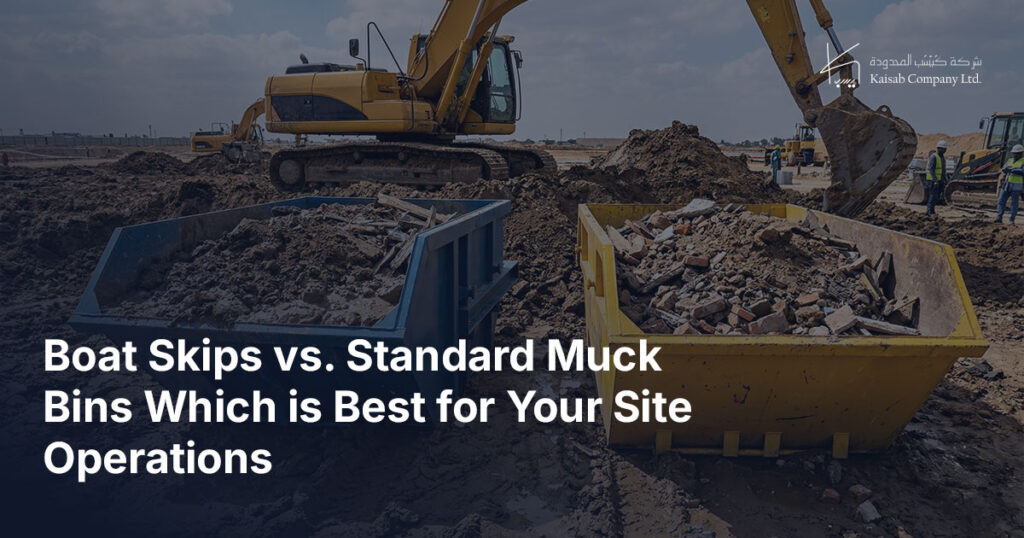
Managing construction waste and debris is more than just a cleanup task; it is a critical component of site safety and project pacing. When it comes to transporting and disposing of muck, rubble, and general waste, contractors often choose between two primary tools: the Boat Skip and the Standard Muck Bin. While both serve as robust containers, their mechanical differences can significantly impact your site’s efficiency and labor costs.
Understanding the Boat Skip: The Efficiency Leader
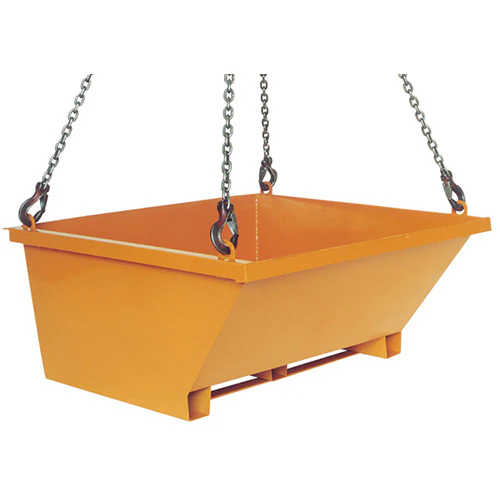
The Boat Skip is specifically engineered for high-intensity environments where crane time is at a premium. Its distinctive shape and mechanical features set it apart from traditional debris containers.
Automatic Self-Dumping Mechanism
The most significant advantage of a Boat Skip is its self-dumping capability. Unlike traditional bins that require manual intervention to tip or empty, a high-quality boat skip allows the crane operator to discharge the contents automatically without a “banksman” or laborer needing to manually release a catch at the disposal point. This “hands-free” operation is a game-changer for site safety.
Precision and Speed
The tapered design of the Boat Skip ensures that waste is funneled efficiently during discharge. This reduces the risk of debris getting stuck and speeds up the cycle time of the crane, allowing your team to clear floors or excavations much faster than with static bins.
Standard Muck Bins: The Traditional Alternative
Standard muck bins (or muck skips) are often simpler, rectangular containers. While they are durable and functional, they operate differently in the field.
Manual Handling Requirements
Standard muck bins typically require manual locking and unlocking of the lifting chains or the tipping mechanism. This means a worker must be present at the discharge zone (often on top of a larger waste pile or inside a truck bed) to facilitate the emptying process. In modern safety-conscious sites, reducing the need for personnel to be near heavy suspended loads is a top priority—a factor where the Boat Skip holds a clear advantage.
Storage and Stacking
One area where standard bins might excel is footprint. Their boxy shape can sometimes make them easier to stack in tight storage areas when not in use. However, for active waste removal, the logistical trade-off is often the slower turnaround time compared to the self-dumping alternative.
Key Factors in Making Your Choice
When deciding which equipment to integrate into your site operations, consider the following three criteria:
- Safety Protocols: If your project has a strict “no-man-in-the-zone” policy, the Boat Skip is the only logical choice due to its automatic discharge.
- Crane Availability: If crane time is limited and expensive, the faster cycle times of a self-dumping skip will save significant costs over the duration of the project.
- Volume of Debris: For massive excavation or demolition phases where waste is generated continuously, the efficiency of a Boat Skip prevents the site from becoming “choked” with uncollected rubble.
Durability and Construction Standards
Regardless of the type you choose, both should be manufactured from heavy-duty steel to withstand the impact of falling bricks, concrete, and metal scrap. High-quality skips should be finished with a protective coating to resist corrosion and ensure a long service life across multiple projects.
While standard muck bins are a reliable staple, the Boat Skip offers a superior return on investment through enhanced safety and reduced labor requirements. By automating the dumping process and utilizing the crane’s power more effectively, site managers can ensure that waste management supports—rather than hinders—the project schedule.
References