
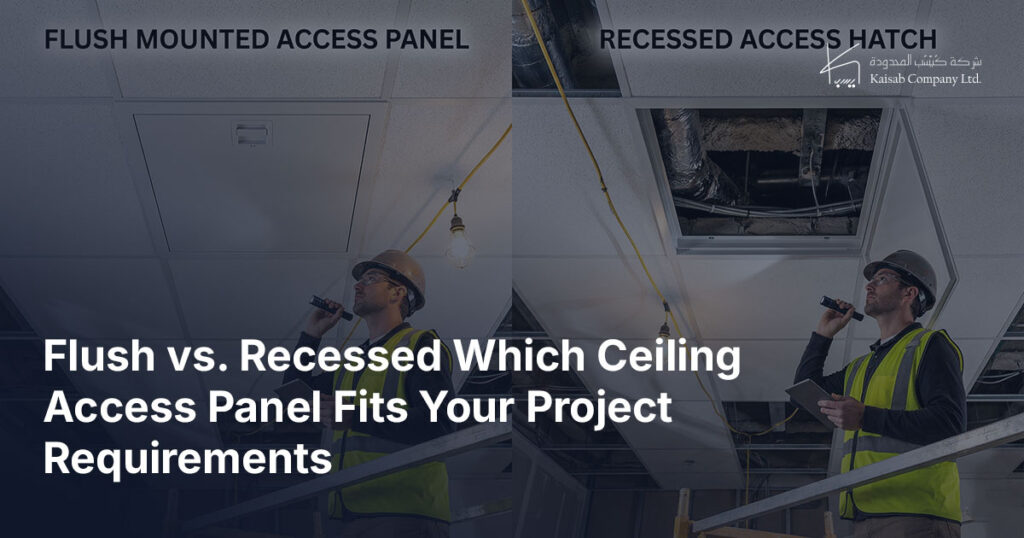
Selecting the right Ceiling Access Panels is critical for balancing maintenance needs with high-end architectural aesthetics. As building systems become more integrated, the choice between flush and recessed designs is a vital engineering decision that determines how technicians reach concealed services.
1. Defining the Difference: Flush vs. Recessed Designs
Before making a selection, it is vital to understand how each type of Ceiling Access Panel interacts with the ceiling surface.
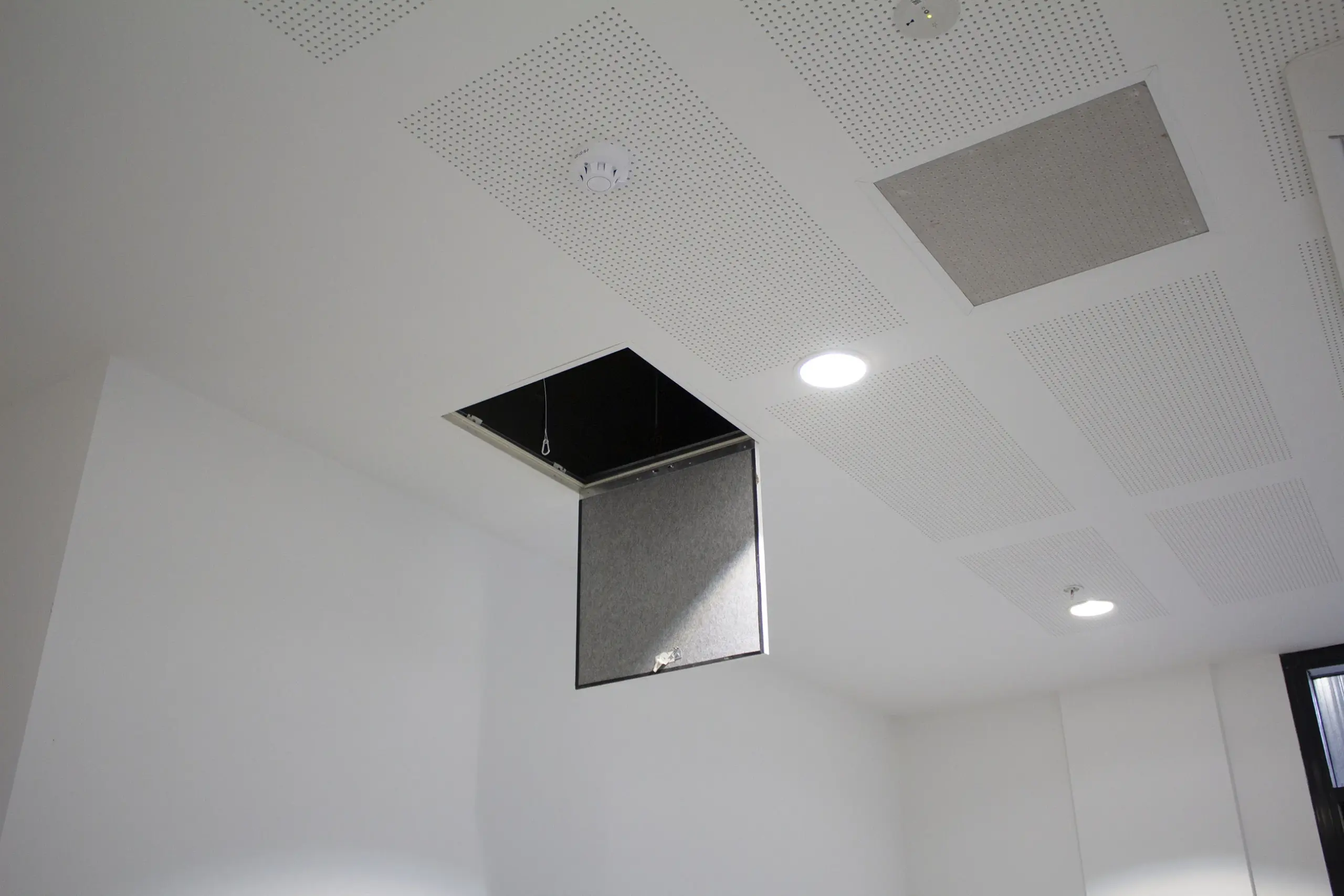
A. Flush Access Panels: Utility and Visibility
These units sit level with the ceiling surface. The metal door remains visible, often finished with a powder coating to match the surrounding area. They are common in commercial corridors and utility rooms where ease of identification is the main priority.
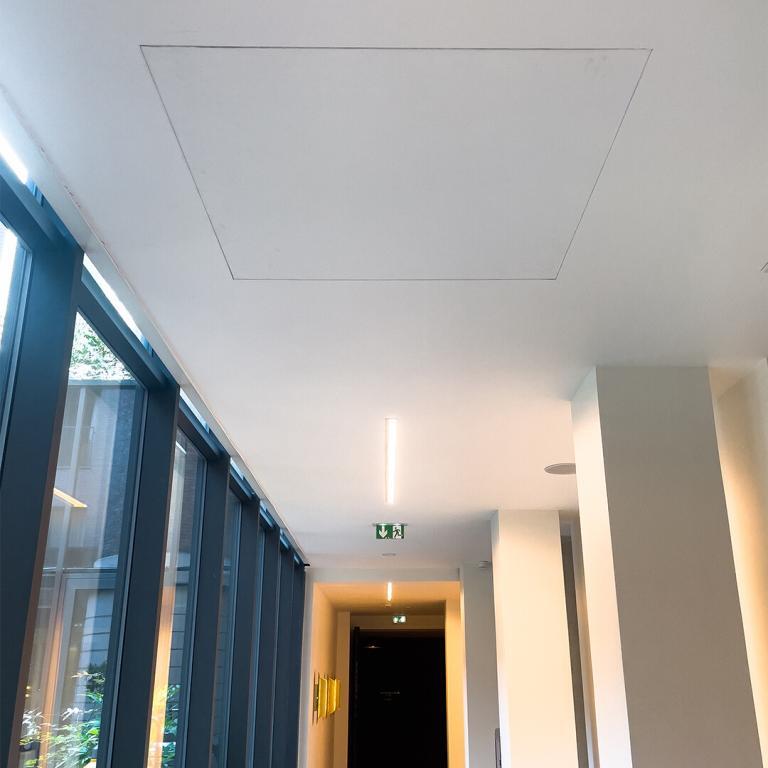
B. Recessed Access Panels: The Stealthy Solution
A Recessed Ceiling Access Panel features a pan-shaped door designed to hold materials like gypsum or acoustical tile. Once installed, it becomes nearly invisible, making it the preferred choice for luxury residences and executive offices.
2. Comparing Durability and Ease of Maintenance
The choice of panel significantly impacts the long-term maintenance cycle of any facility.
C. Handling Frequent Access
For areas requiring weekly inspections, Flush Ceiling Access Panels are often the superior choice. Being all-metal, they withstand repeated operation without the risk of the ceiling material chipping or cracking at the edges.
D. Weight and Operation Considerations
Recessed models are significantly heavier because the door carries the added weight of the finish material. While they offer superior aesthetics, they require more careful handling by staff during servicing.
3. Safety and Specialized Requirements
Safety regulations often dictate the type of Ceiling Access Panels required, regardless of the desired look.
E. Fire-Rated Integrity
Both designs can be manufactured as fire-rated units. In a fire-rated ceiling, the access point must prevent flame spread. While flush units are standard, recessed versions require complex engineering to ensure the decorative material doesn’t compromise insulation.
F. Security and Tamper Resistance
In public areas like airports, Flush Security Panels are preferred. They are manufactured with heavy-gauge steel and complex locking mechanisms that are difficult to bypass.
4. Decision Guide: Which One Fits Your Project?
To make the final call, consider these factors:
-
Choose Flush if: You prioritize cost-efficiency and durability in industrial projects.
-
Choose Recessed if: You are designing a premium space where visual continuity is paramount.
5. Function Meets Form
The debate between flush and recessed Ceiling Access Panels is about finding the right fit for the environment. By understanding the trade-offs between visibility and aesthetics, you can specify a solution that protects the building’s infrastructure.
References
- ASTM E119: Standard Test Methods for Fire Tests of Building Construction.
- NFPA 80: Standard for Fire Doors and Other Opening Protectives.
- AIA Architectural Standards: Guidelines for ceiling access integration.