
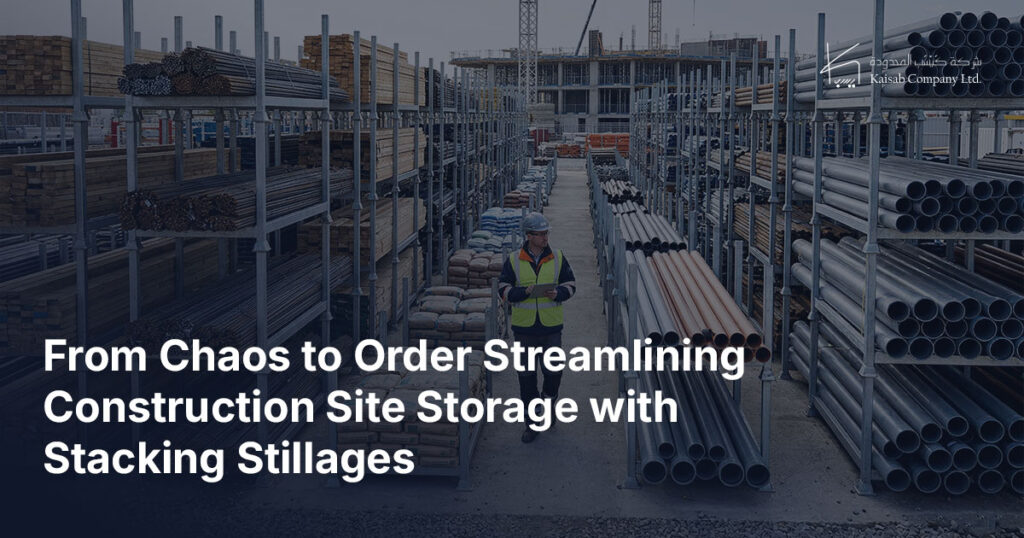
On a busy construction site, space is often as valuable as the materials themselves. Poorly organized storage not only leads to material damage but also creates safety hazards and slows down productivity. Stacking stillage systems have emerged as the gold standard for site organization, offering a robust, vertical solution for storing, protecting, and moving essential supplies. By moving away from ground-level clutter and utilizing vertical space, contractors can transform a congested site into a streamlined operation.
Versatility in Design: Choosing the Right Stillage Configuration
One of the primary advantages of modern stacking stillages is their adaptability. Depending on the nature of the materials—whether they are fragile, weather-sensitive, or bulky—different designs serve specific purposes:
- Solid-Sided Units: These provide a full enclosure, offering maximum protection from the elements and site debris. They are ideal for smaller components or materials that require a secure, contained environment.
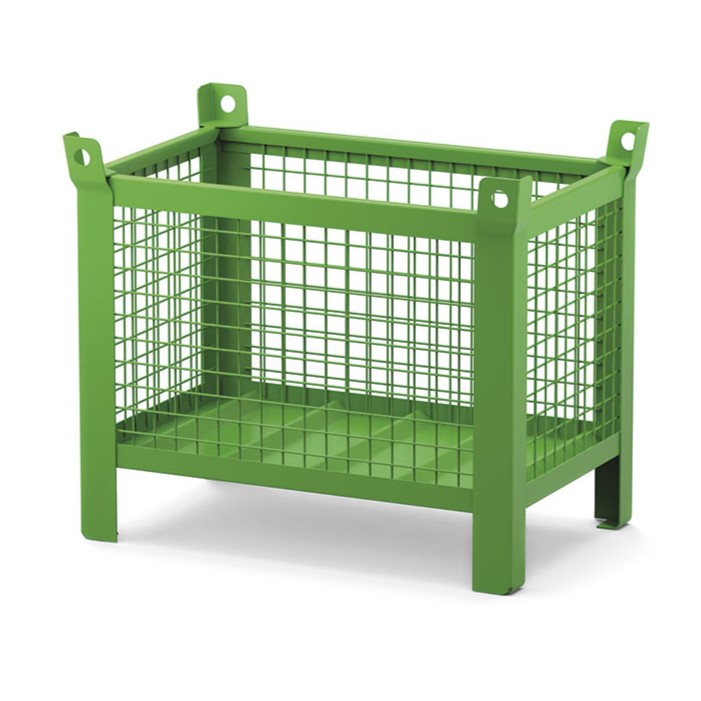
- Mesh-Sided Units: Offering a balance between protection and visibility, mesh sides allow for easy inventory checks and improved ventilation, which is crucial for materials prone to moisture buildup.
- Post Pallet Designs: Perfect for oversized, flat, or sheet materials, post pallets provide an open yet stackable framework that keeps materials accessible while maximizing vertical height.
Maximizing Vertical Space on Congested Sites
The “stackable” nature of these stillages is their most impactful feature. In urban construction projects where the footprint is limited, the ability to securely stack loaded units allows for high-density storage.
Safe and Secure Stacking
Engineered for stability, these units are designed to lock into one another when stacked. This ensures that even under heavy loads, the vertical column remains stable, reducing the risk of tipping. Furthermore, many models feature a collapsible or nesting design, meaning that once the materials are used, the empty stillages can be folded down to occupy minimal space during storage or return transport.
Dual Compatibility: Forklift and Crane Handling
A high-quality stacking stillage must be as mobile as it is sturdy. For seamless site logistics, these systems are designed for dual-mode handling:
- Forklift Integration: Built-in pockets allow forklifts to move and stack units quickly across flat surfaces or within warehouses.
- Crane Accessibility: Reinforced lifting points enable cranes to hoist materials to upper floors or across congested areas where ground transport is impossible.
This flexibility ensures that materials can be positioned exactly where they are needed, reducing the time spent on manual handling and increasing overall site safety.
Durability for Demanding Environments
Construction sites are unforgiving. To ensure a long service life, stacking stillages are manufactured from heavy-duty steel. This construction allows them to withstand the impact of heavy machinery and the abrasive nature of industrial materials. Whether used in high-rise residential developments or large-scale infrastructure projects, their robust build ensures they remain a cost-effective asset for years.
The shift toward organized material handling is a hallmark of a professional construction operation. By implementing a stacking stillage system, site managers can protect their inventory, enhance worker safety, and make the most of every square meter of the site. When your materials are organized and mobile, your project stays on schedule.
References
- ISO 9001:2015 – Quality Systems
- OSHA – Stacking and Storage Safety
- ASTM – Steel Structural Standards