
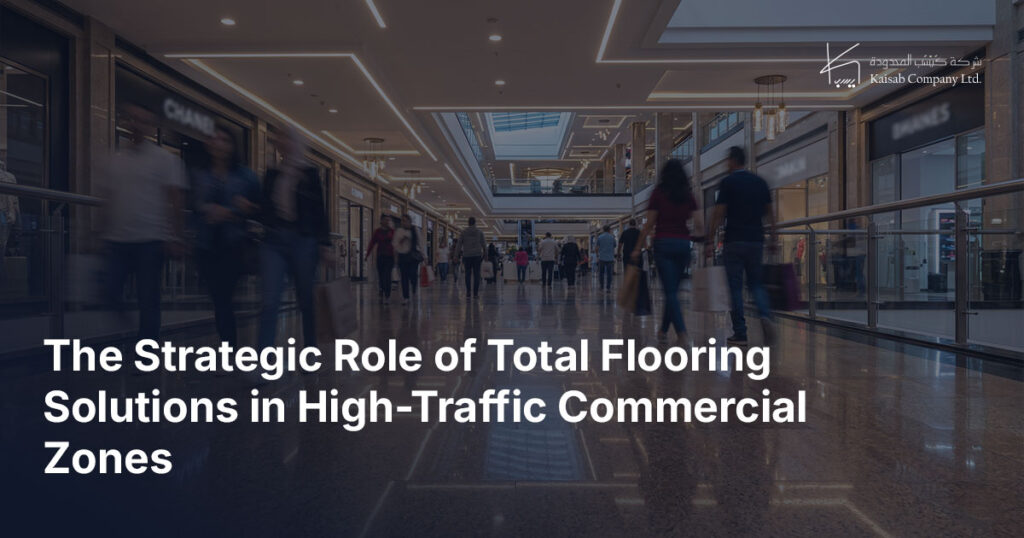
Implementing comprehensive Total Flooring Solutions is the most effective way to ensure long-term durability and safety in demanding commercial environments. In high-traffic zones—such as shopping malls, airports, hospitals, and educational institutions—the floor is the most heavily used part of the building’s interior. It must withstand constant foot traffic, heavy equipment loads, and rigorous cleaning chemicals without losing its structural or aesthetic integrity. A “total” approach means moving beyond simple product delivery; it involves a sophisticated synchronization of technical consultation, material selection, and precision installation. By viewing flooring as an integrated system rather than a surface finish, building owners can significantly reduce maintenance overheads and avoid the high costs associated with premature floor failure.
1. Performance Engineering for High-Traffic Demands
Commercial flooring is not a “one size fits all” category. Different building zones require different technical specifications to remain functional and safe.
A. Technical Assessment and Specification
The success of Total Flooring Solutions begins with a deep dive into the specific performance requirements of each zone. For instance, an entrance lobby requires a heavy-duty stainless steel matting system to trap moisture and debris, whereas a healthcare facility requires high-performance vinyl with seamless heat-welded joints to maintain antimicrobial standards. Engineers must evaluate slip resistance ratings (R-ratings), acoustic properties for sound reduction, and indentation resistance for areas where heavy furniture or medical equipment is moved. This data-driven selection process ensures that the chosen material is perfectly matched to its intended environmental stress.
B. Material Innovation: Vinyl and Rubber
Modern commercial flooring relies heavily on advanced polymers. Vinyl flooring offers a versatile, low-maintenance solution that can mimic natural materials while providing a completely non-porous surface. In contrast, rubber flooring is highly valued in sports facilities and industrial zones for its natural elasticity, extreme durability, and shock-absorbing properties. An integrated provider evaluates these materials not just for their appearance, but for their VOC emissions (to ensure indoor air quality) and their lifecycle sustainability.
2. The Critical Importance of Professional Installation
Even the highest-quality flooring material will fail if the installation process is flawed. The “Total” service model prioritizes the engineering of the subfloor as much as the visible surface.
C. Subfloor Preparation and Moisture Control
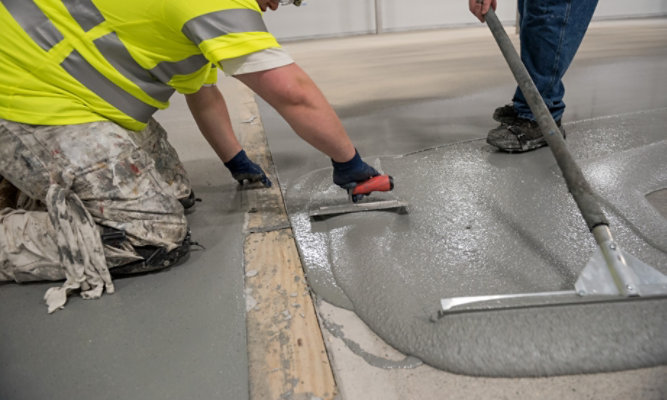
One of the most common causes of flooring failure in the Middle East is rising dampness or improper subfloor leveling. Professional Total Flooring Solutions include a rigorous analysis of the concrete slab’s moisture content and flatness. Technicians apply specialized moisture barriers and self-leveling compounds to create a perfectly smooth, dry substrate. This step is critical for ensuring that adhesives bond correctly and that the floor remains flat and bubble-free for decades.
D. Precision Execution and Warranty Compliance
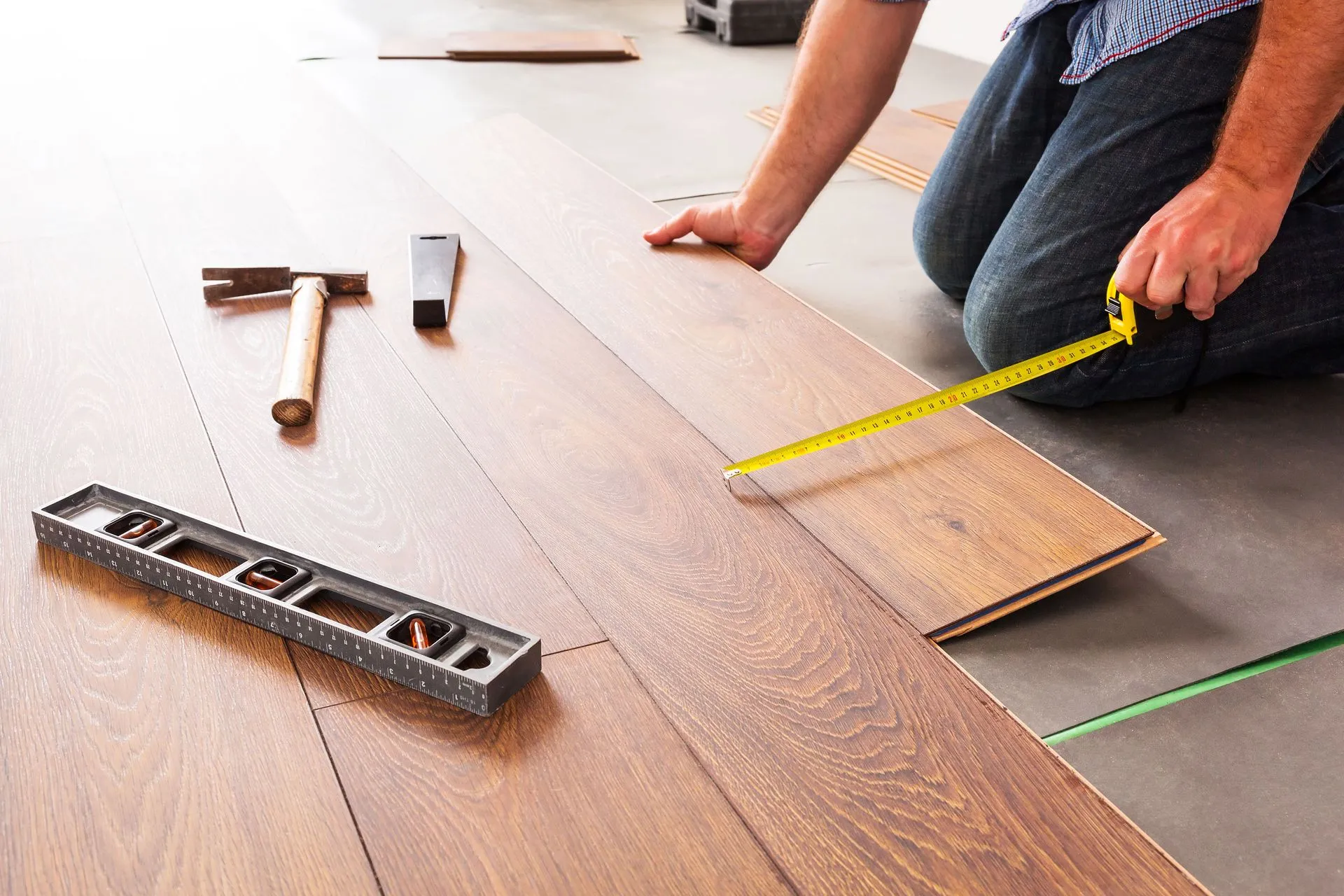
Installation is carried out by specialized teams trained in complex techniques, such as coved skirting (where the floor continues up the wall for hygiene) and intricate pattern matching. Following manufacturer guidelines is not just about quality; it is a legal requirement for maintaining product warranties. A turnkey partner ensures that every seam is welded and every edge is sealed to the exact specifications required by international standards, such as ISO 9001:2015.
3. Lifecycle Management and Compliance
A floor is a long-term investment, and its value is maintained through proper care and adherence to safety regulations.
E. Hygiene, Safety, and Building Regulations
In the post-pandemic era, hygiene standards have become a top priority for commercial spaces. Total Flooring Solutions prioritize materials that are easy to disinfect and resistant to bacterial growth. Furthermore, compliance with fire safety codes and slip-resistance mandates is non-negotiable. Using certified systems ensures that the building remains compliant with local civil defense and international safety regulations, protecting the owner from liability and ensuring a safe environment for the public.
F. After-Sales Support and Maintenance Guidance
The relationship does not end once the floor is laid. Providing comprehensive maintenance manuals and post-installation support is what separates a total solution from a simple sale. Proper cleaning protocols, using the correct pH-neutral detergents, and scheduled inspections can double the lifespan of a commercial floor. This proactive approach ensures that the “visual consistency” and “technical performance” of the project are preserved from the day of handover through the entire operational life of the facility.
By choosing an integrated flooring partner, developers move from a fragmented procurement model to a unified engineering strategy. This ensures that the foundation of the building’s interior is as robust, safe, and beautiful as the architecture itself.
References & Links
- ISO 9001:2015: Quality management systems for supply and installation services.
- ASTM F1869: Standard test method for measuring moisture vapor emission rate of concrete subfloors.
- EN 14041: Resilient, textile and laminate floor coverings – Essential characteristics.