
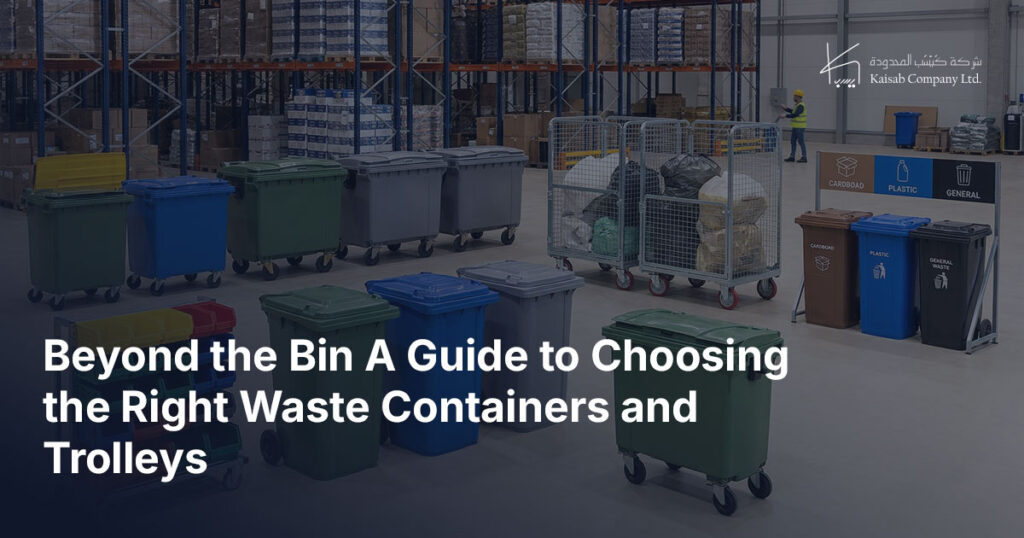
Effective building waste management is a science that balances operational flow, hygiene, and durability. Whether you are managing a hospital, a hotel, or a commercial complex, the waste containers and trolleys you choose—including bins and linen carts—determine the success of your entire daily cycle.
This guide explores five critical areas where selecting the right waste containers and trolleys can transform your facility’s efficiency and staff safety.
1. Material Science: Why HDPE and Galvanized Steel Matter
The first lesson in selecting waste containers and trolleys is understanding material durability. Many facilities fail because they use “general-purpose” plastics that degrade quickly under constant use.
-
High-Density Polyethylene (HDPE): Ideal for waste bins due to its superior resistance to chemicals and UV rays.
-
Galvanized Steel: The best choice for heavy-duty bulk containers, providing maximum fire resistance and structural integrity.
Educational Tip:
Always check for “UV-Stabilization” in plastic waste containers and trolleys. This prevents the material from becoming brittle when exposed to harsh cleaning chemicals or direct sunlight.
2. Ergonomics: Protecting Your Most Valuable Asset
A waste trolley or linen cart is only as effective as its maneuverability. Most workplace injuries stem from the excessive “push-pull” forces required to move heavy loads in poorly designed waste containers and trolleys.
What to Look for in a Professional Trolley:
-
Precision Casters: High-quality wheels reduce the physical effort needed by up to 40%.
-
Integrated Braking Systems: Essential for safety when navigating ramps or uneven floors.
3. Hygiene Engineering: Preventing Cross-Contamination
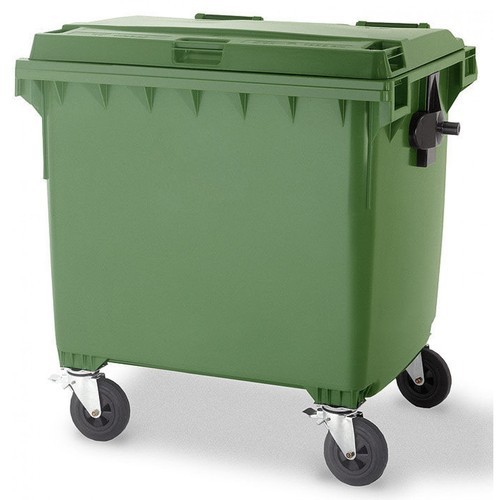
In high-standard environments, a bin is more than a receptacle; it is a biohazard barrier. The design of your waste containers and trolleys must actively discourage the growth of bacteria.
Key Hygiene Features:
-
Smooth Internal Radius: Professional bins feature rounded corners to prevent organic matter traps and odors.
-
Hands-Free Operation: Pedals are vital to prevent cross-contamination in sterile environments.
4. System Integration: The “Perfect Fit” Strategy
Efficiency is lost when equipment does not align with existing infrastructure. Your waste containers and trolleys must be viewed as an extension of your waste chutes and compactors.
-
Chute Compatibility: The bin’s dimensions must allow it to sit flush under the discharge point.
-
Towing Capability: Look for waste containers and trolleys that can be linked (tugger-train systems) to move multiple units at once.
5. The Logic of Modular Sorting and Sustainability
Modern waste management relies on “Source Segregation.” Utilizing a single large bin for all trash is an outdated practice that increases costs.
Implementing a Modular System:
By using modular waste containers and trolleys with color-coded lids, you guide occupants to sort waste instinctively, increasing the purity and value of your recyclables.
An Investment in Workflow Quality
Investing in professional-grade waste containers and trolleys is not just about purchasing hardware; it is about optimizing the operational heartbeat of your facility. By focusing on material quality and ergonomics, you ensure a cleaner, safer environment.
References
- WHO: Safe Management of Health-Care Wastes
- OSHA: Ergonomics & Push-Pull Standards
- ISWA: Waste Collection Best Practices